

Key Proteins Found to Drive Abnormal Bone Growth After Injury
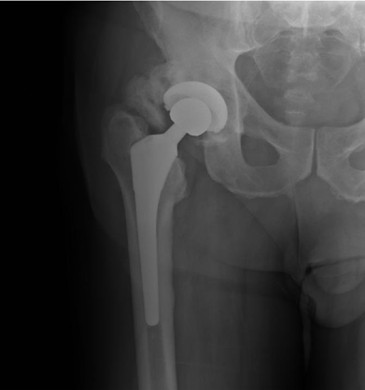
HO or abnormal bone formation in soft tissues can restrict movement and cause long-term discomfort after surgery or injury. In a new study, researchers have identified two key proteins that help reshape damaged tissue and promote this harmful bone growth.
Researchers show how damaged tissue is reshaped to trigger painful bone formation in muscles and tendons
CHINA, February 9, 2026 /EINPresswire.com/ -- Heterotopic ossification (HO), atypical bone formation, causes chronic pain, affecting patient’s quality of life. It occurs at areas abundant in extracellular matrix (ECM), originating from mesenchymal progenitor cells (MPCs). While thrombospondin 1 and 2 are critical regulators of ECM, their role in MPC/ECM interaction and HO formation remains unclear. Now, researchers have uncovered the role of these proteins in injury repair and HO formation and found that blocking these proteins may help prevent HO.After serious injuries, burns, fractures, or major surgeries, the body normally repairs damaged tissues and restores movement. However, in some patients, the healing process takes an unexpected and harmful turn. Instead of rebuilding healthy muscle and tendon, new bone begins to form inside soft tissues, causing pain, stiffness, and long-term disability. This condition, known as heterotopic ossification (HO), often develops after trauma, joint replacement surgery, or combat-related injuries and may require additional surgery. Despite its serious impact on patients’ lives, the biological processes behind it have remained poorly understood.
In a new study, a team of researchers led by Dr. Benjamin Levi from Center for Organogenesis, University of Texas Southwestern, United States, revealed how two key proteins, thrombospondin 1 (TSP1) and thrombospondin 2 (TSP2), contribute to abnormal bone growth after injury by reshaping damaged tissue. The findings help explain how injured tissue becomes “reprogrammed” to support bone formation and suggest new ways to prevent this serious complication. The study was published in Volume 14 of the journal Bone Research on January 19, 2026.
“Our study shows that these proteins play a central role in shaping the healing environment after injury. When their activity is reduced, abnormal bone growth drops dramatically,” says Dr. Levi
Previous research suggested that changes in the extracellular matrix (ECM) may influence how tissues heal. However, the molecular signals that guide these changes were unclear. The new study set out to identify the specific factors that shape this healing environment after injury.
To investigate this, the researchers used a well-established mouse model involving burn and tendon injury, a type of trauma known to trigger HO. The team then followed how cells and tissues changed over time using advanced genetic and imaging tools. They combined several techniques, including single-cell RNA sequencing and spatial transcriptomics. In addition, high-resolution imaging was used to analyze collagen fibers and three-dimensional scans to analyze bone formation.
The analyses showed that TSP1 was mainly produced by immune cells known as macrophages at the center of the injury, with lower levels also detected in mesenchymal progenitor cells (MPCs), early-stage cells that can develop into bone-forming cells. In contrast, TSP2 was produced mainly by MPCs around the edges of the damaged area.
The researchers also found that these proteins influenced how collagen fibers were arranged. In normal healing, collagen is flexible and loosely organized. In injured tissue with active thrombospondin signaling, the fibers became tightly aligned, creating a structure that supported bone growth. To test whether these proteins were essential, the team studied mice that lacked both TSP1 and TSP2. In these animals, collagen fibers were disorganized, and abnormal bone growth was greatly reduced.
“When we removed both proteins, the tissue no longer formed the supportive framework needed for ectopic bone to develop. As a result, we saw much less harmful bone formation,” says Dr. Levi
Scans confirmed that these mice had far smaller bone deposits in tendons and surrounding tissues, while their normal skeleton remained unaffected. This suggests that targeting these proteins may reduce abnormal bone growth without interfering with healthy bone development.
The study also identified a regulatory protein called FUBP1 that helps control TSP2 production. When FUBP1 levels were reduced in laboratory-grown cells, TSP2 levels also dropped, weakening the signals that promote tissue remodeling. Additionally, the authors caution that their findings are based mainly on animal models. Further research is needed to confirm whether the same mechanisms operate in humans and how safely they can be targeted. Taken together, the study provides insights into how thrombospondin signaling contributes to HO after injury.
“HO can be life-altering for many patients. By understanding the roles of TSP1 and TSP2 in HO formation, we hope to develop therapies that target these proteins and prevent HO before it causes permanent damage,” concludes Dr. Levi.
***
Reference
Title of original paper: Thrombospondin 1 and 2 regulate mesenchymal progenitor cell fate and matrix organization
Journal: Bone Research
DOI: 10.1038/s41413-025-00493-2
About University of Texas Southwestern
University of Texas Southwestern, one of the nation’s premier academic medical centers, integrates pioneering biomedical research with exceptional clinical care and education. The institution’s faculty members have received six Nobel Prizes and include 25 members of the National Academy of Sciences, 23 members of the National Academy of Medicine, and 14 Howard Hughes Medical Institute Investigators. The full-time faculty of more than 3,200 is responsible for groundbreaking medical advances and is committed to translating science-driven research quickly to new clinical treatments. University of Texas Southwestern physicians provide care in more than 80 specialties to more than 120,000 hospitalized patients, more than 360,000 emergency room cases, and oversee nearly 5 million outpatient visits a year.
Website: https://www.utsouthwestern.edu/about-us/
About Dr. Benjamin Levi from University of Texas Southwestern
Dr. Benjamin Levi is a Professor at Center for Organogenesis, University of Texas Southwestern, where he holds the Dr. Lee Hudson–Robert R. Penn Chair in Surgery and serves as Chief of Burn, Trauma, Acute and Critical Care Surgery. He earned his medical degree from Northwestern University and completed surgical training at the University of Michigan, Stanford University, and Massachusetts General Hospital. With over 15 years of research experience and more than 100 publications, his work focuses on heterotopic ossification, tissue regeneration, stem cell biology, and wound healing.
Funding information
This research was supported by the Department of Defense grant HT9425-23-1-0327 and the National Institutes of Health R01AR078324.
Yini Bao
Bone Research Editorial Office
+862885546461 ext.
email us here
Visit us on social media:
X
Legal Disclaimer:
EIN Presswire provides this news content "as is" without warranty of any kind. We do not accept any responsibility or liability for the accuracy, content, images, videos, licenses, completeness, legality, or reliability of the information contained in this article. If you have any complaints or copyright issues related to this article, kindly contact the author above.
